

Premenstrual disorders and premature menopause
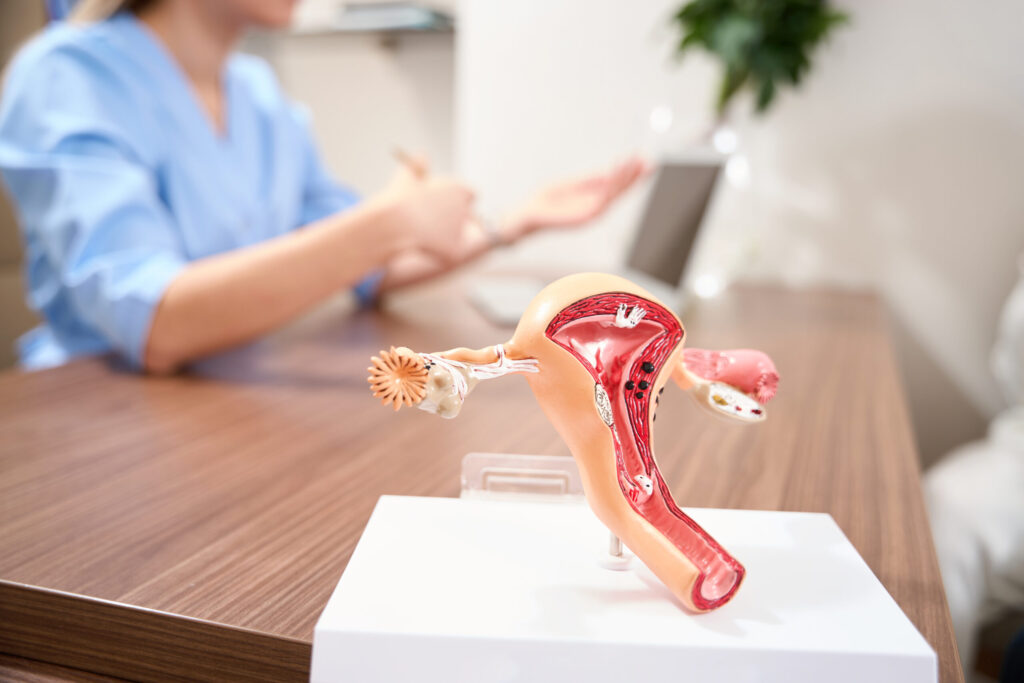
Most women enter menopause between the ages of 45 and 55, according to the World Health Organization (WHO). However, a new study published in JAMA Network Open highlights that women suffering from premenstrual disorders (PMDs) have a higher risk of developing early menopause — with significant consequences for cardiovascular, bone, and neurological health.
PMD and Early Menopause: Study Reveals Association with Women’s Health Risks
Most women enter menopause between the ages of 45 and 55, according to the World Health Organization (WHO). However, a new study published in JAMA Network Open highlights that women suffering from premenstrual disorders (PMDs) have a higher risk of developing early menopause — with important consequences for cardiovascular, bone, and neurological health.
PMD and Early Menopause: What is the Relationship?
Women who reported PMD symptoms were more than twice as likely to enter menopause before the age of 45, compared to those who did not present those symptoms.
The types of PMD analyzed include:
- Premenstrual Syndrome (PMS): considered mild, it affects up to 30% of women with symptoms such as irritability and bloating.
- Premenstrual Dysphoric Disorder (PMDD): more severe, it impacts quality of life with psychological, gastrointestinal, dermatological, and neurological symptoms.
Long-Term Impacts
Previous studies have already shown that PMDs are associated with more intense symptoms in postmenopause, such as:
- Hot flashes
- Night sweats
- Increased risk of hypertension
- Heart diseases and diabetes
Additionally, early menopause is linked to worse health of the heart, brain, and bones, increasing the risk of osteoporosis and neuropsychiatric disorders.
Aggressive Risk Factors
- Smoking: smoking and former smoking women showed a higher prevalence of early menopause.
- Altered hormonal response: women with PMDD had lower levels of nocturnal cortisol, indicating possible dysfunction of the hypothalamic-pituitary axis.
- Chronic inflammation: high levels of inflammatory cytokines can accelerate follicular depletion and anticipate menopause.
Conclusion: Monitoring and Support Are Essential
The study reinforces the need for clinical monitoring of women with PMD, especially in more severe cases like PMDD. This attention can help prevent future complications during the transition to menopause.
Reference:
Yang Y, Valdimarsdóttir UA, Manson JE, et al. Premenstrual Disorders, Menopause Timing, and Severity of Vasomotor Symptoms. JAMA Netw Open. 2023;6(9):e2334545. doi:10.1001/jamanetworkopen.2023.34545