

Sleep and hormones: how hormonal imbalance can affect your rest
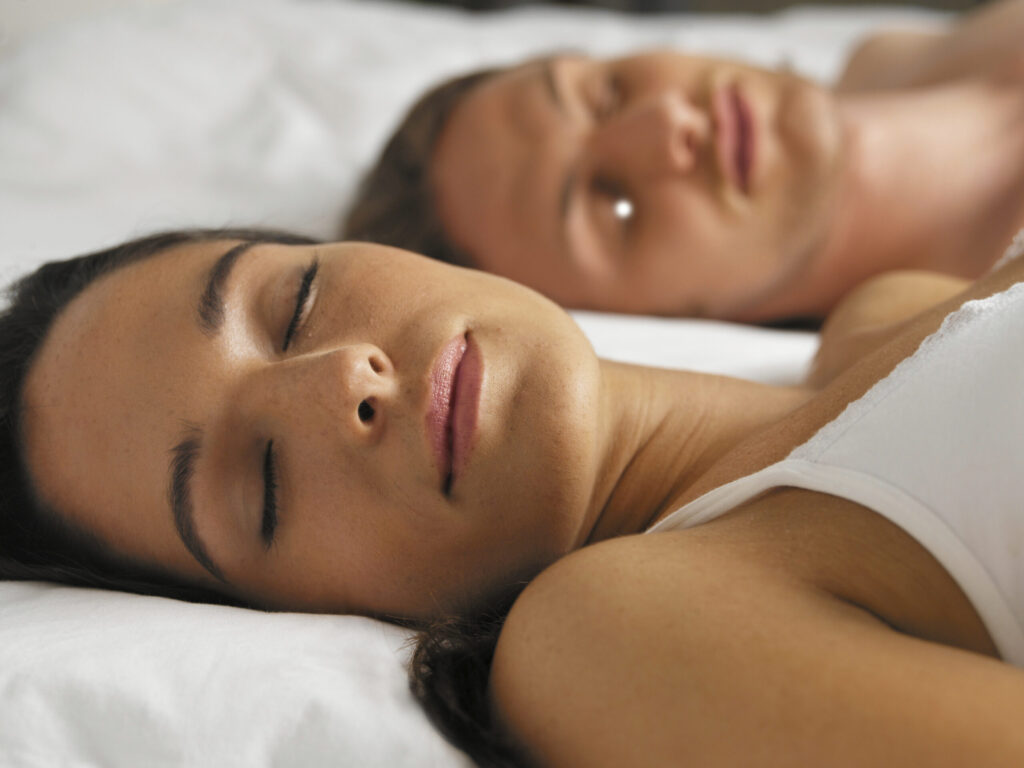
Sleep quality is essential for physical and mental well-being, affecting everything from immune system functioning to concentration ability and emotional balance. However, many are unaware that sleep and hormones are deeply interconnected. When hormonal balance is disrupted, especially during life phases such as menopause or due to conditions like hypogonadism, sleep can be significantly affected.
Sleep quality is essential for physical and mental well-being, affecting everything from immune system functioning to concentration ability and emotional balance. However, many are unaware that sleep and hormones are deeply interconnected. When hormonal balance is disrupted, especially during life phases such as menopause or due to conditions like hypogonadism, sleep can be significantly affected.
The Relationship Between Hormones and Sleep
Hormones play a crucial role in regulating our sleep-wake cycle. The main hormones involved are melatonin, testosterone, estrogen, and cortisol. Each of these influences how we sleep and how we feel upon waking in a distinct way.
Melatonin: This hormone, produced by the pineal gland, is known as the “sleep hormone.” It regulates the circadian rhythm and is responsible for promoting nighttime sleep. Melatonin production is stimulated by darkness and inhibited by light, helping the body prepare for rest. Melatonin deficiency can result in insomnia and difficulty maintaining a regular sleep cycle.
Testosterone: In men, testosterone has a significant impact on sleep quality. Low levels of this hormone, often seen in hypogonadism, are associated with decreased sleep quality and an increased risk of sleep apnea. Studies show that testosterone is vital for the body’s recovery during deep sleep, suggesting that its absence can compromise the restorative function of rest.
Estrogen: In women, especially after menopause, decreased estrogen levels can cause a range of sleep disorders, including insomnia and difficulty staying asleep. Estrogen is essential for sleep regulation and also helps control symptoms of restless leg syndrome and night sweats, which can interrupt rest.
Cortisol: Cortisol, known as the stress hormone, is produced by the adrenal glands and has a release cycle that follows a daily pattern. When cortisol production is deregulated, especially in situations of chronic stress or hormonal imbalances, sleep quality is affected. Excess cortisol can hinder the onset of sleep and the ability to maintain a deep state of rest.
The Impact of Hormonal Imbalance on Sleep
Hormonal imbalance can lead to various sleep disorders, affecting both the quantity and quality of rest. These problems are not only unpleasant but can also have long-term impacts on the individual’s mental and physical health.
Insomnia: Insomnia is one of the most common disorders associated with hormonal imbalance. It is frequently observed in women during menopause, when the abrupt fall in estrogen and progesterone levels can result in difficulties sleeping and maintaining sleep. In men, low testosterone levels can also contribute to insomnia and difficulty reaching the deepest phases of sleep.
Sleep Apnea: Sleep apnea is characterized by temporary interruptions in breathing during sleep and is frequently associated with low testosterone levels in men. Research indicates that testosterone replacement therapy may help reduce the incidence of sleep apnea, thus improving sleep quality.
Night Sweats and Hot Flashes: During menopause, decreased estrogen levels can lead to night sweats and hot flashes, which can disrupt sleep and cause discomfort. These episodes can be intense enough to wake the woman several times during the night, resulting in fragmented rest.
Deregulated Circadian Rhythm: The circadian rhythm is the body’s natural sleep-wake cycle, influenced by hormonal factors. Hormonal imbalance can cause dysregulation of this rhythm, leading to difficulties sleeping and waking at desired times. This is often seen in patients with hormonal disorders, such as hypogonadism, who have trouble maintaining a healthy sleep pattern.
Treating Hormonal Imbalance to Improve Sleep
Fortunately, there are treatment options available to restore hormonal balance and thus improve sleep quality. Hormone Replacement Therapy (HRT) is one of the most effective options for patients with significant hormonal imbalances.
HRT for Women in Menopause
HRT for menopausal women may include estrogen and progesterone to manage menopausal symptoms and improve sleep quality. Replacing these hormones helps alleviate night sweats, reduce insomnia, and enhance deep sleep. Hormonal therapy must be closely monitored to ensure that the benefits outweigh the risks, such as an increased risk of thrombosis and breast cancer in some cases.
Testosterone Replacement for Men
In men with hypogonadism, testosterone replacement can be carried out through different forms of administration, such as gels, injections, or subcutaneous implants. Testosterone replacement can not only improve symptoms of hypogonadism, such as decreased libido and fatigue but also enhance sleep quality and reduce the risk of sleep apnea.
Additional Treatments
In addition to hormonal replacement, some lifestyle changes can help improve sleep quality. Regular exercise, a balanced diet, and relaxation techniques such as meditation and yoga can help regulate hormonal levels and thus improve sleep. Furthermore, avoiding excessive caffeine and alcohol consumption before bedtime can contribute to more restorative rest.
Conclusion
The relationship between hormones and sleep is complex and fundamental to overall health. Hormonal imbalance can significantly impair sleep quality, resulting in insomnia, sleep apnea, and other disorders. Hormonal replacement, along with lifestyle changes, can be an effective solution to restore hormonal balance and improve the quality of rest, positively impacting physical and mental health.
References:
- Chrousos, G. P., & Gold, P. W. (2022). “The Role of Stress Hormones in the Pathophysiology of Sleep Disorders”. Sleep Medicine Reviews.
- Finkelstein, J. S., et al. (2018). “Testosterone and Sleep in Men with Low Testosterone Levels”. Journal of Clinical Endocrinology and Metabolism.