

Lipedema: what is it and what is the relationship with hormones?
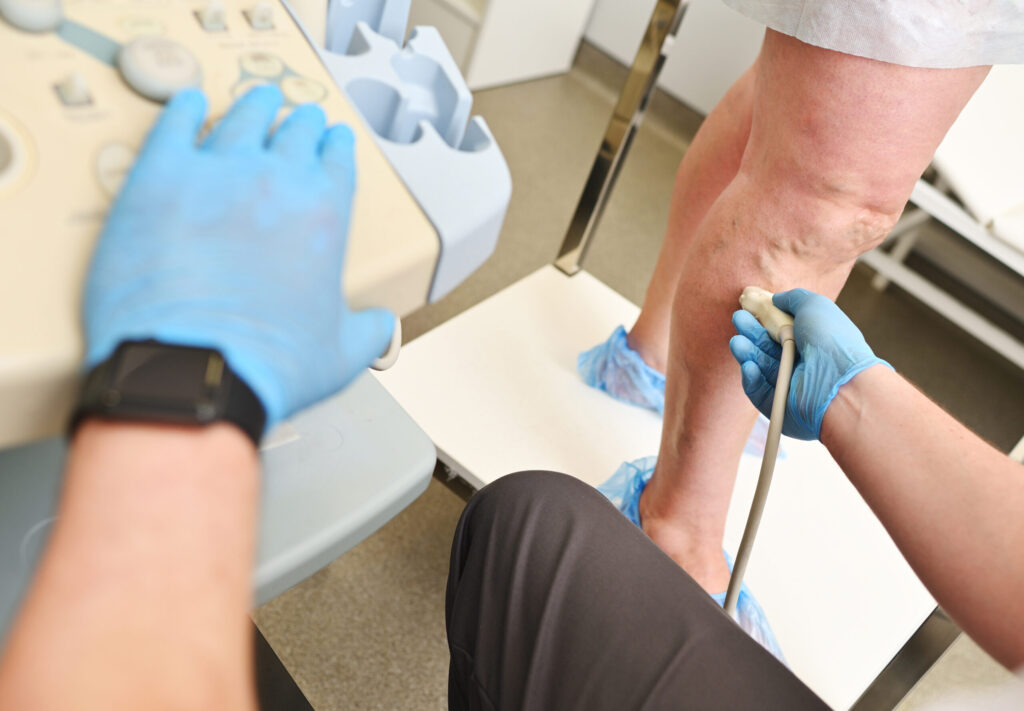
Have you heard of lipedema? Many women live for years with the misdiagnosis of obesity or fluid retention when in fact they suffer from a condition called lipedema, a chronic disorder in the distribution of body fat that primarily affects the legs, hips, and arms. What few people know is that this condition has a strong connection with hormones. In this article, we will explain what lipedema is, what the symptoms are, why it is related to hormonal imbalance, and how hormonal replacement can help in some cases.
Have you heard of lipedema? Many women spend years with the wrong diagnosis of obesity or fluid retention when in fact they suffer from a condition called lipedema, a chronic disorder in the distribution of body fat that mainly affects the legs, hips, and arms. What few people know is that this condition has a strong relationship with hormones. In this article, we will explain what lipedema is, what the symptoms are, why it is related to hormonal imbalance, and how hormonal replacement can help in some cases.
What is lipedema?
Lipedema is a chronic, progressive, and often painful disease characterized by the abnormal accumulation of fat in specific regions of the body, usually in the legs and arms. Unlike obesity, this fat does not disappear with diet or physical exercise. Many women report a feeling of heaviness in their legs, pain upon touch, frequent bruising, and disproportion between the upper and lower body.
What are the main symptoms?
- Symmetrical accumulation of fat in the hips, thighs, and legs (with preservation of the feet)
- Pain or tenderness to touch in these regions
- Swelling that worsens throughout the day
- Irregular or “cushioned” appearance of the skin
- Tendency to easy bruising
- Difficulty losing localized fat with diet and physical activity
Why is lipedema linked to hormones?
Lipedema affects almost exclusively women and often arises or worsens during times of significant hormonal changes, such as:
- Puberty
- Pregnancy
- Use or cessation of contraceptives
- Menopause
These phases show that female sex hormones, especially estrogen and progesterone, play an important role in the progression of the disease. Hormonal imbalances can influence how the body stores fat, as well as impact circulation and inflammatory processes.
Can hormonal replacement help those with lipedema?
Although hormonal replacement does not directly treat lipedema, it can be an important ally in controlling symptoms and stabilizing the condition, especially during phases like menopause, where there is a marked drop in estrogen and progesterone. Adequate hormonal balance can:
- Reduce inflammation
- Improve circulation
- Minimize fluid retention
- Prevent the progression of fat accumulation
It is essential that the replacement be individualized, considering the hormonal history and clinical picture of the patient, with ongoing medical supervision.
Diagnosis and treatment: where to seek help
The diagnosis of lipedema is still underestimated, and many patients spend years not understanding what they have. Ideally, one should seek a doctor with experience in vascular diseases or hormonal disorders. Treatment is multidisciplinary and may include:
- Personalized hormonal therapy
- Lymphatic drainage
- Anti-inflammatory diet
- Compression garments
- Low-impact physical exercises
- Surgical procedures in advanced cases
Conclusion
Lipedema is a real, chronic condition that is often confused with obesity. It has a direct relationship with hormones, making medical supervision and hormonal balance key pieces in treatment. If you are experiencing the described symptoms and have tried everything without success, it may be time to investigate further and consider hormonal evaluation as part of your health care.